Bow Road removals guide for tight streets and parking
Posted on 03/07/2026

Moving on or around Bow Road can feel a bit like solving a puzzle in live traffic. The streets are busy, parking is tight, and one badly timed van stop can throw the whole day off. If you are planning a move here, this Bow Road removals guide for tight streets and parking will help you think ahead, avoid the usual snags, and keep the move calm enough to feel manageable.
In practical terms, the challenge is rarely just carrying boxes. It is about access, timing, loading space, shared road use, and making sure the moving vehicle can stop safely without turning a local street into a bottleneck. That is where good planning makes a real difference. A little preparation goes a long way, and honestly, it saves people from that last-minute scramble that nobody enjoys.
Below, you will find a clear walkthrough of what matters most, how local removals usually work in tighter East London streets, what to do before the van arrives, and the common mistakes that trip people up. If you are also comparing removal options, a quick look at the service overview can help you match the right support to your move.
- Why this guide matters
- How removals in tight streets work
- Key benefits and practical advantages
- Who this is for
- Step-by-step guidance
- Expert tips for better results
- Common mistakes to avoid
- Tools, resources and recommendations
- Law, compliance and best practice
- Options and comparison table
- Case study example
- Practical checklist
- Conclusion
- Frequently asked questions
Why Bow Road removals guide for tight streets and parking Matters
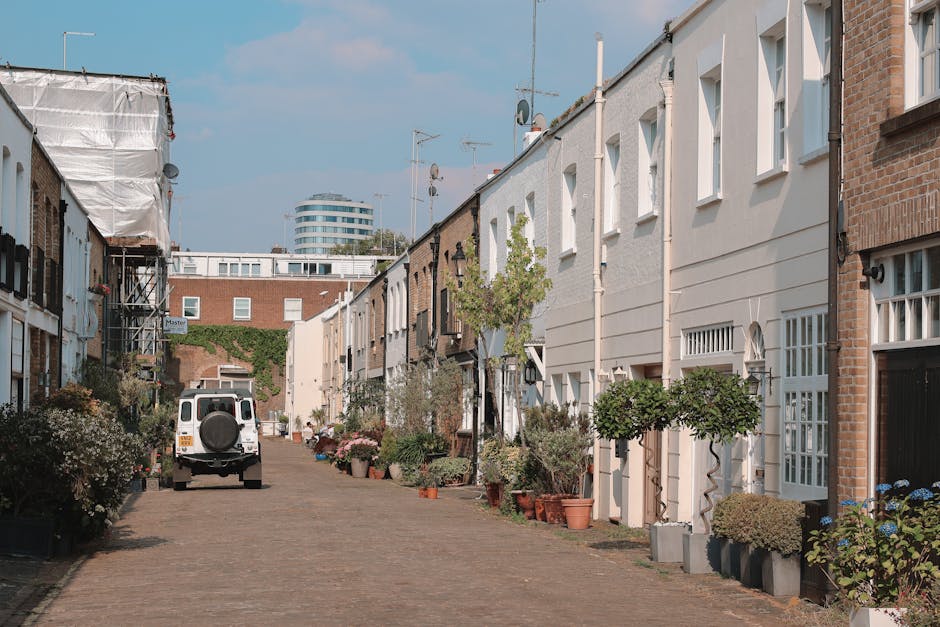
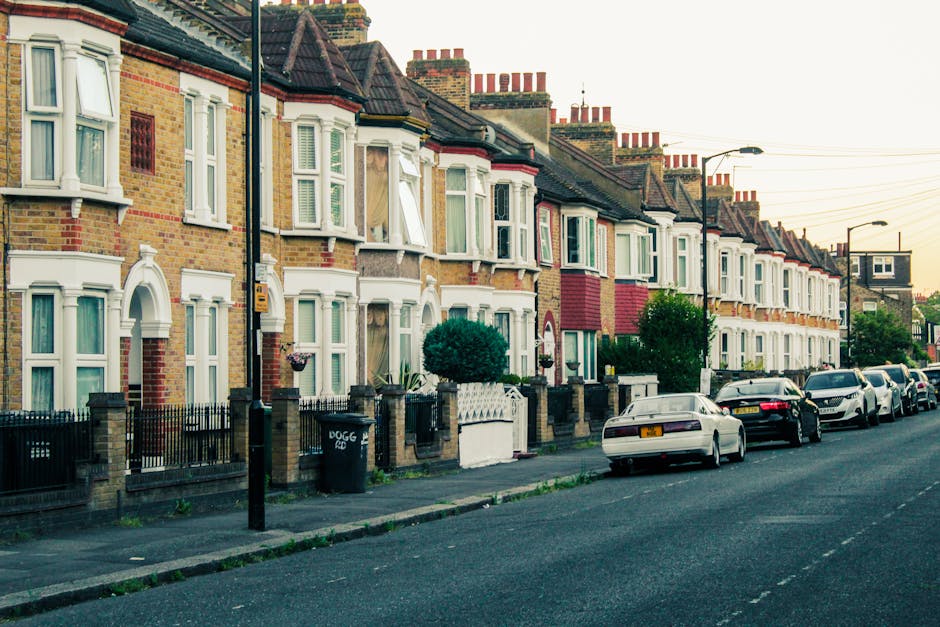
Bow Road and the streets around it bring together a few things that move day planners have to respect: limited kerb space, passing traffic, buses, delivery vehicles, and the simple reality that not every address has easy off-street loading. That means the move can succeed or fail on access, not effort.
Why does that matter so much? Because the difference between a smooth removals day and a chaotic one is often just a few metres of road space. If the van cannot stop near the entrance, your team ends up walking heavier items further than expected. That adds time, physical strain, and risk of knocks, scratched floors, or a bit of frustration that nobody needs on moving day.
Bow also attracts a mix of households and businesses: flats above shops, period conversions, compact maisonettes, shared homes, and office spaces that may need careful access planning. If you are moving from a flat, you will probably want to review flat removals in Bow, since upper-floor access and stairwell movement often matter as much as parking.
The other reason this topic matters is timing. In dense London areas, traffic patterns change fast. A road that feels manageable at 10am may be awkward by mid-afternoon. So the earlier you think about parking, route access, and loading points, the more control you keep.
Expert summary: in tight-street removals, parking is not a side issue. It is part of the move plan, and often the biggest one.
How Bow Road removals guide for tight streets and parking Works
A good move in a constrained area usually follows the same underlying logic: reduce uncertainty before move day, make arrival and loading as direct as possible, and keep the van in the best position for the shortest time. Sounds simple. It is simple, but only if you prepare properly.
1. Access is checked before the van turns up
The best removals teams will ask about road width, gate access, stairs, lift availability, and whether the vehicle can park close to the property. If there is a narrow street or restricted kerbside space, the mover needs to know before they arrive, not after they have already blocked half the road with a full van.
2. Parking and loading options are planned around the property
In some cases, a standard removal van can park close enough for direct loading. In others, you may need a smaller vehicle, more careful timing, or a plan for a short carry from the van to the entrance. That is why a flexible service such as man with a van in Bow or man and van Bow can be useful for compact jobs with trickier access.
3. Loading is sequenced to reduce wasted movement
When the van is parked, the loading plan should be straightforward: large furniture first, boxed items next, fragile pieces last or separately protected. In a tight street, every unnecessary trip matters. Better sequencing means less lifting, fewer door interruptions, and less time with the back of the van open to traffic.
4. The route out is considered as carefully as the route in
One mistake people make is focusing only on arrival. But the exit route matters too. If the van has to reverse awkwardly, turn on a narrow street, or wait while someone blocks access with a second vehicle, the whole day can stall. A bit of route planning avoids that very London problem of three people waving in different directions while nobody is quite sure what is happening.
For moves involving more furniture or multiple rooms, a fuller service such as house removals Bow may be a better fit than a simple transport-only job. The right setup depends on volume, access, and how much you want handled for you.
Key Benefits and Practical Advantages
Planning a removal around Bow Road's tighter streets is not just about avoiding headaches. It can improve the entire move in ways that are easy to notice on the day.
- Less waiting time: the van can get to work sooner when parking is sorted in advance.
- Lower risk of damage: shorter carries usually mean fewer bumps, scrapes, and doorframe mishaps.
- Better use of labour: movers spend more time moving items and less time navigating awkward access.
- Reduced stress: you are not trying to solve parking while also signing paperwork, answering calls, and checking boxes.
- More predictable pricing: clear access details help prevent avoidable delays that can affect quotes.
There is also a practical comfort factor. When the van is parked properly and the path is clear, the whole move feels more organised. That calm feeling at the beginning of the day usually carries through the rest of it. To be fair, that matters almost as much as speed.
If your move includes packing support too, you may want to look at packing and boxes Bow so the access plan and the packing plan work together rather than against each other.
Who This Is For and When It Makes Sense
This guide is most useful if your move involves any of the following:
- a flat on a busy road or side street off Bow Road
- limited or no private parking at either address
- period housing with narrower entrances or staircases
- a same-day move with little room for delay
- furniture that needs careful handling through tight access points
- shared buildings where loading needs to be kept tidy and efficient
It also makes sense for students, first-time movers, and small businesses that need a straightforward, practical service rather than a huge team and a very large vehicle. A compact move can still go wrong if parking is ignored. Small move, big headache. That happens more often than people think.
If you are in rented accommodation or moving between flats, student removals Bow can be a sensible option for lighter loads, quick turnarounds, and more limited budgets.
And if you are moving items that need extra care, such as instruments or heavy specialist furniture, services like piano removals Bow and furniture removals Bow are worth considering because access planning becomes even more important.
Step-by-Step Guidance
Here is the practical version. Not the polished brochure version. The real one.
-
Measure the access properly.
Check the width of any gate, alley, entrance, stairwell turn, or lift opening that the furniture must pass through. If you can, note where the van can pause safely and how far the carry will be.
-
Book the right vehicle for the space.
In Bow Road's tighter streets, a smaller or more manoeuvrable vehicle is often better than a bigger one. Bigger is not always better. Not on a narrow street, anyway.
-
Tell the mover about parking limits early.
Share whether the property has resident bays, pay-and-display spaces, permit restrictions, or no stopping points nearby. Be specific. "Parking is tricky" is true, but not very useful.
-
Prepare the items before move day.
Box what can be boxed, dismantle what can be safely dismantled, and label essentials clearly. The quicker the loading process, the less exposure to road congestion.
-
Keep a clear loading path.
Inside the property, move coats, shoes, bins, and loose items out of the way. On the pavement side, avoid stacking items where pedestrians need to pass. It sounds obvious, but on a busy morning it is easy to forget.
-
Build in a small buffer.
A 10-minute delay can become 40 if a bay is occupied or traffic slows down. Leave some room in the schedule. The day usually feels less frantic if you are not racing the clock from minute one.
If you are arranging a last-minute move and access is already getting tight, same day removals Bow may be worth checking. That said, same-day work is always easier when the access details are already clear.
Expert Tips for Better Results
The little things matter here. In a wide-open suburb, you can get away with a few casual assumptions. In Bow Road, not so much.
- Photograph the street and entrance before the move. A few images help a mover understand whether a van can stop nearby.
- Keep your most important items separate. Documents, chargers, medication, keys, and a kettle for later should never disappear into the general load.
- Use consistent box labels. Clear labels reduce time unloading and sorting in a tight corridor or stairwell.
- Warn neighbours if access may be shared. A small courtesy notice can avoid tension, especially in buildings where everyone feels a bit squeezed already.
- Check the weather. Rain makes loading slower and pavements more slippery. A damp London morning can turn a quick carry into a fiddly one.
- Leave enough time for the van to position itself. Reversing, unloading, and repositioning are all more difficult when space is limited.
One surprisingly useful habit is to prepare a "first off" box. Keep tea bags, toilet paper, a phone charger, scissors, and basic cleaning supplies in it. You will thank yourself later. Everybody does, usually about five minutes after arrival when the rest of the house still looks like a cardboard convention.
For broader planning support, it can help to review removal services Bow so you can see how packing, transport, and access handling fit together.
Common Mistakes to Avoid
The most common errors on tight-street moves are simple, but they have a habit of causing real problems.
- Assuming parking will sort itself out. It usually does not.
- Booking a vehicle that is too large. That can create access problems before loading has even started.
- Not sharing the full access picture. Hidden steps, narrow hallways, and awkward corners all matter.
- Leaving boxed items loose or open. Loose tops and overfilled boxes slow everything down.
- Forgetting building rules. Some blocks have loading windows, lift reservations, or management expectations.
- Underestimating the time needed for carrying items. A short road can still mean a long carry.
Another common one is arriving with too many people and too little coordination. Everyone means well, but three helpers standing in the same doorway is not the same as a plan. Honestly, it can make things worse.
Tools, Resources and Recommendations
You do not need a lot of fancy kit, but the right basics help enormously.
| Need | Best option | Why it helps in Bow Road-style streets |
|---|---|---|
| Light moves | Compact van or man-and-van setup | Easier to position in tighter roads and quicker to load |
| Bulkier household loads | Full removals service | Better for multi-room moves and more structured loading |
| Temporary overflow | Storage solution | Useful if access timing and completion timing do not line up neatly |
| Packing support | Packing materials and labelled boxes | Speeds up loading and keeps small items controlled |
| Cost planning | Clear written quote | Reduces confusion if access or waiting time changes |
If you are comparing vehicle-based options, the terms can be a bit overlapping. Man with van Bow, man with a van Bow, and removal van Bow are all helpful starting points, but the best fit depends on how much you are moving and how awkward the access is.
For moves that need somewhere to keep items temporarily, storage in Bow can give you breathing room. That can be a real relief if completion dates shift or the new place is not ready quite on time.
Law, Compliance, Standards, or Best Practice
Without pretending to be overly formal about it, there are a few practical and legal points worth respecting. In the UK, moving vehicles must be parked and loaded in a way that does not create unnecessary danger or obstruction. Local parking restrictions, permit rules, and loading limits may also apply depending on the exact street or borough arrangement. Always check the local situation rather than assuming a van can just stop anywhere for as long as needed.
Best practice also means protecting people and property. Movers should handle items safely, use sensible lifting methods, and avoid blocking entrances, pavements, or emergency access. Building managers or landlords may have their own rules for lifts, loading bays, or move-in windows, and those should be followed too.
From a service perspective, good operators also tend to be clear about insurance, payment handling, complaint routes, and terms. If you want to understand that side of things before booking, pages like insurance and safety, payment and security, and terms and conditions are the sort of thing worth reading early, not after the move.
You may also want to check a company's approach to handling customer data and policies generally. It sounds dull, yes, but it is part of choosing a business you can trust. If something feels vague, ask. Clear answers are a good sign.
Options, Methods, or Comparison Table
Different move types suit different access problems. Here is a straightforward comparison.
| Option | Best for | Strengths | Limitations |
|---|---|---|---|
| Man and van | Small to medium loads | Flexible, often easier on narrow streets, good for quick turnarounds | Less suited to bigger household inventories |
| Full removals service | Larger homes, more furniture, more coordination | More structured, more hands, better for heavy items | Can feel like overkill for very small moves |
| Same-day removals | Urgent situations | Fast response and useful in time-sensitive cases | Less room for planning, so access details matter even more |
| Storage-first approach | Staggered completions or delayed move-ins | Reduces pressure when dates do not align | Involves extra handling and another step |
For many Bow Road moves, the sweet spot is a smaller, well-planned service rather than a dramatic one. That is especially true if parking is awkward but the actual volume is moderate. If your load is modest, a focused option such as removals Bow can be a practical fit.
Case Study or Real-World Example
Imagine a couple moving from a second-floor flat just off Bow Road into another property a few streets away. Nothing enormous. A sofa, mattress, kitchen boxes, some shelving, and a few fragile items. On paper, it looks like a short job.
Then the access details come in. The street is narrow, the nearest legal parking space is not directly outside, and the staircase has a tight turn halfway up. If nobody has planned for that, the move gets slower immediately. The van may need to stop a short walk away. The carry time increases. The team has to keep the pavement clear. What seemed like a 90-minute move begins to stretch.
Now compare that with a more organised approach. The mover knows about the staircase and the parking limits in advance. Boxes are labelled before arrival. Fragile items are set aside. The van is scheduled for a quieter part of the day. The team unloads in a sensible order, and the longest items are handled first while everyone still has energy.
The move does not become effortless. Let's be honest, no move in a busy London street is ever fully effortless. But it becomes predictable, and predictable is what you want. The difference is not magic. It is planning, plus a bit of local realism.
If you want to learn more about the area while you prepare, the site's local reading can be handy too, such as an insider's guide to Bow or locals' views on living in Bow. That local context can be surprisingly useful when you are trying to understand the pace and feel of the neighbourhood.
Practical Checklist
Use this before move day. It keeps things grounded.
- Confirm the exact moving address and access route.
- Check whether there is parking outside or nearby.
- Note any permits, loading rules, or building restrictions.
- Measure narrow doorways, hallways, stairs, and lift access.
- Tell the mover about large, heavy, or awkward items.
- Book the right vehicle size for the street and the load.
- Pack and label boxes clearly before the van arrives.
- Keep essentials, valuables, and documents separate.
- Prepare a clear loading path inside the property.
- Give yourself time for traffic, parking, and carry distance.
- Keep contact details ready on the day.
- Have a backup plan if the nearest space is occupied.
If you have questions about trust, policies, or what happens after booking, the site's about us and health and safety policy pages are useful reads. Not glamorous, granted, but useful.
Conclusion
Bow Road removals do not have to be stressful just because the streets are tight and parking is limited. The trick is to treat access as part of the move itself, not a side note. Once you plan around the road layout, the parking reality, and the loading path, everything becomes more manageable.
That means choosing the right vehicle, sharing the right details, packing with purpose, and building in a little buffer. Simple, but effective. And when the day arrives, that preparation tends to show. The van gets positioned faster, the loading flows better, and you spend less time worrying about kerb space and more time settling into the new place.
Get a free quote today and see how much you can save.
And if you are still weighing up the best fit for your move, take a calm breath. A well-planned local removal in Bow is absolutely doable, even on a busy road. It just needs the right approach.


