Commercial Moves in Bow

Reliable Commercial Relocation Support for Businesses in Bow
If you are planning commercial moves in Bow, you are probably balancing a lot at once: keeping staff informed, protecting equipment, avoiding downtime, and making sure the move happens on time. A business relocation is never just about boxes and vans. It affects operations, customers, suppliers, and sometimes the whole rhythm of your working week. That is why a well-organised local service matters.
Bow is a busy East London location with a mix of modern office buildings, older commercial units, shared workspaces, retail premises, hospitality spaces, and light industrial sites. Moving a business here often means working around tight streets, controlled parking, loading restrictions, and shared access points. A local team that understands these conditions can save a lot of stress. Whether you are relocating a small office, shifting a shop, or moving part of a larger company, the right plan helps the move feel controlled rather than disruptive.
Our approach to commercial removals in Bow is built around practical customer needs. That means clear preparation, careful handling, and a schedule that suits the realities of your business. If you need help with desks, IT equipment, filing systems, stock, fixtures, or specialist items, a structured move can make all the difference. Book your service now if you are ready to arrange a smooth commercial relocation and want a team that understands local conditions.
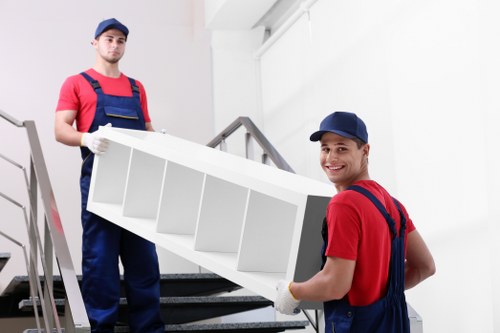
What Commercial Moving Services in Bow Can Cover
Every business has different requirements, which is why commercial relocation services are rarely one-size-fits-all. A move for a small consultancy in a managed office block will look very different from a multi-room retail relocation or a warehouse-to-workspace transfer. The service should be flexible enough to handle that variety while still keeping the process organised.
For many customers looking for office removals Bow, the main concern is limiting downtime. That might mean moving outside normal business hours, splitting the move into stages, or handling departments separately so operations can continue as long as possible. For retail businesses, the focus is often on stock protection, secure transport, and getting the premises back up and running quickly. For commercial tenants in mixed-use buildings, there may also be building rules to follow, lift booking requirements, and specific loading bay arrangements.
Typical services can include:
- Pre-move planning and move-day scheduling
- Packing and labelling support for office or stock items
- Safe dismantling and reassembly of desks, shelving, and fittings
- Handling of IT and office equipment with extra care
- Transport for files, archive boxes, furniture, and business supplies
- Coordination for multi-floor premises and shared buildings
- Clear unloading and placement at the new site
Why local knowledge helps in Bow
Bow has a distinctive mix of residential streets, commercial corridors, and redevelopment areas. That matters when planning a move, because access is often tighter than expected and timings can be affected by local traffic patterns. A team familiar with the area can plan around these practical issues more efficiently than a crew arriving without local awareness.
Local knowledge is especially helpful when your move involves one or more of the following:
- Narrow roads or busy junctions near commercial estates
- Limited waiting space for moving vehicles
- Shared entrances or loading areas
- Upper-floor offices without easy ground-floor access
- Premises close to busy routes, schools, or commuter flow
That is why businesses comparing commercial movers in Bow often look for more than just transport. They want a practical relocation plan that fits the area, the property, and the working day. Contact us today to discuss your move and request a free quote tailored to your business needs.

Who Needs Commercial Moves in Bow?
The phrase commercial moves covers a wide range of business relocations. In Bow, that often includes offices, retail units, hospitality businesses, clinics, studios, and smaller commercial spaces. It can also involve internal moves within the same building, which still require planning when teams, stock, or equipment need to be shifted efficiently.
Businesses in Bow often look for relocation support when they are expanding, downsizing, refreshing their premises, or moving to a more suitable site. Some moves happen because a lease is ending. Others are driven by growth, new staffing needs, or a desire to improve access for customers and employees. Whatever the reason, the goal is usually the same: move quickly, protect assets, and reduce interruption.
Common customers include:
- Small and medium-sized offices
- Start-ups moving into their first dedicated workspace
- Retailers relocating shop stock and fixtures
- Hospitality operators shifting equipment and supplies
- Creative studios and agencies with specialist furniture or devices
- Shared workspaces and serviced offices planning internal reconfiguration
Commercial removals Bow for offices and workspaces
Office relocations need careful handling because even small mistakes can create delays. Lost cables, unlabelled boxes, and mixed-up departments can slow the first day in the new premises. A well-managed office move focuses on clarity. Furniture is dismantled where needed, boxes are labelled properly, and key items are prioritised so teams can resume work quickly.
Movements for shops, studios, and other trading premises
Retail and customer-facing businesses often need extra attention around display items, branded materials, stock rotation, and point-of-sale equipment. Studios and specialist workplaces may have fragile tools, artwork, samples, or technology that needs secure wrapping. Each setting benefits from a move plan that keeps valuable items organised and traceable from start to finish.
Commercial moves in Bow should always be shaped around the kind of business involved. That is the simplest way to reduce stress and keep the relocation practical. If your company is planning a move, you can request a free quote and talk through the details before making decisions.

How the Moving Process Usually Works
A professional commercial relocation should feel structured from the first conversation to final placement at the new site. Business owners and managers usually want clarity: what happens first, what will be moved, how long it may take, and what preparation is needed from the team. A good process provides those answers early.
Although each move is different, the standard workflow for commercial moves in Bow often follows these stages:
- Initial discussion – understanding the size of the premises, the type of items involved, and the timing you need.
- Planning and scheduling – agreeing a move plan that fits your business hours, building access, and any restrictions.
- Preparation – organising packing materials, labelling systems, and item grouping so everything is ready for collection.
- Loading and transport – moving furniture, equipment, files, and stock safely to the new location.
- Delivery and placement – placing items in the correct rooms or zones so your team can settle in faster.
- Final checks – confirming that key items have arrived and the most important parts of the move are complete.
The most efficient moves tend to happen when both sides are organised. That means the business knows what needs to be moved, and the movers know what access, timing, and handling requirements apply. If there are sensitive items, fragile equipment, or large furniture pieces, these should be discussed early so the right method can be used.
For many local customers, the attraction of a local commercial moving company is simple: less uncertainty. When the team understands Bow’s roads, property types, and loading constraints, planning becomes easier and the move is more likely to stay on track. Contact us today if you would like to discuss your move timeline and the best way to organise it.

What Is Usually Included in a Commercial Move
Businesses often ask what is actually included in a commercial relocation service. That is a fair question, especially when you are comparing different options and trying to understand what support you really need. The exact service can vary, but local commercial removals usually focus on practical handling, transport, and placement support.
A typical move may include some or all of the following:
- Careful handling of desks, chairs, storage units, and meeting furniture
- Movement of computers, printers, monitors, and associated equipment
- Boxes for documents, stationery, stock, and personal workspace items
- Disassembly and reassembly of certain furniture items where required
- Protection for delicate or high-value business items
- Transport between the old and new premises
- Placement of items by room, department, or designated area
Some companies also need help with internal rearrangements rather than a full relocation. This might involve moving departments within a large office, changing the layout of a shop floor, or shifting archived items from one part of the building to another. These jobs still benefit from professional handling because they often involve lifting, coordination, and careful route planning.
Commercial moves Bow are also about protection. That includes protecting floors, doorways, corners, furniture, and equipment during transit and loading. It also means reducing the risk of breakage or misplaced items, which can save money and inconvenience later. If you are preparing for a business move, a clear scope of work will help you know exactly what support is being provided.
Preparing your team and premises
Good preparation makes a commercial relocation much easier. Staff should be informed early about the moving date, what they need to pack, and any changes to access or working arrangements. When everyone knows their role, there is less confusion on the day and fewer delays at the new site.
Useful preparation steps include:
- Backing up digital files and protecting important data before the move
- Labeling boxes by department, room, or priority
- Separating confidential documents if they need special handling
- Clearing walkways and ensuring items are ready for collection
- Checking building rules for lifts, access times, and loading areas
- Notifying staff about parking, entry points, and any temporary changes
When you are ready, book your service now and ask for a move plan that matches your premises and timetable.
Why Bow Businesses Benefit from a Local Team
Choosing a local company for a move in Bow can offer practical advantages that are easy to overlook until the day arrives. Local teams are often more familiar with the roads, access constraints, building layouts, and common commercial property types in the area. That experience can reduce wasted time and help avoid surprises.
Bow includes a range of property styles, from older premises with awkward staircases to modern units that may have managed loading arrangements. Some locations are easier to reach with larger vehicles than others, and some require precise timing because of congestion or shared access. A local mover can often anticipate those issues before they become a problem.
Why local knowledge matters:
- It can help with parking and loading planning
- It supports smoother coordination with building access rules
- It reduces the chance of delays caused by unfamiliar routes
- It helps match the move method to the premises type
- It makes short-notice scheduling more realistic in some cases
Bow is also well connected to nearby areas with active business districts and mixed-use developments. If your company operates across East London, your move may involve neighbouring locations as well. That is where a flexible team can be especially useful, because commercial removals are rarely just about one street or one building. They often involve timing, access, and coordination across multiple spaces.
Nearby areas and routes often involved
Businesses moving in Bow may also need support linked to surrounding parts of East London. Depending on the type of premises and the route, this can include nearby areas such as Mile End, Stratford, Hackney Wick, Bromley-by-Bow, Whitechapel, or Poplar. These locations bring their own access considerations, especially where commercial buildings sit alongside residential streets or busy transport corridors.
Commercial moves in Bow work best when the route, timing, and site conditions are considered together. That is one of the strongest reasons to work with a local company that understands the area from a practical point of view.
Access, Parking, and Building Challenges to Expect
One of the main reasons businesses seek professional help with commercial removals is that access can be more complicated than it first appears. Even a move that looks straightforward on paper can become time-consuming if vehicle parking, entry routes, or building regulations are not planned in advance.
In Bow, common challenges may include limited waiting space near premises, narrow side streets, shared entrances, time-restricted loading zones, and busy local traffic. For office buildings, you may also need to book lifts or coordinate with building management. For retail or hospitality premises, access may need to work around trading hours or deliveries. For upper-floor units, carrying items safely is often as important as transport itself.
Practical planning should account for:
- Where the vehicle can stop safely
- How far items will need to be carried
- Whether stairs, lifts, or ramps are involved
- Any restrictions from building managers or landlords
- The best time of day for loading and unloading
- Protection for shared lobbies, corridors, and floors
This is why commercial movers in Bow are often asked to do more than simply transport items. They help ensure the move remains practical when the site itself presents challenges. If your premises have awkward access, it is worth discussing that early so the move can be planned properly.
How to reduce disruption on moving day
The best way to keep disruption down is to separate what must move first from what can wait. Important equipment, key workstations, essential files, and trading stock should be prioritised. Non-essential items can be moved later or kept back until the workspace is ready. That approach gives your business a better chance of getting back to normal quickly.
Request a free quote if you want a move that is planned around access, parking, and the realities of your site rather than a generic schedule.
Pricing Factors for Commercial Moves in Bow
Every business wants to know what affects the cost of a commercial relocation. While exact figures depend on the details of the job, the main pricing factors are usually predictable. Understanding them can help you plan your budget more effectively and avoid misunderstandings later.
Common cost factors include the size of the move, the number of items being relocated, the amount of packing needed, the distance between the two premises, and any special handling requirements. Access plays a major role too. A move involving multiple floors, long carry distances, or restricted parking may take longer than a move with easy loading access. Time of day and scheduling flexibility can also matter, especially where businesses prefer out-of-hours work to reduce interruption.
Other factors that may influence pricing include:
- The volume and type of office furniture or stock
- Whether items need dismantling and reassembly
- Fragile, heavy, or specialist equipment
- Urgent scheduling or a short notice move
- Packing assistance and supply requirements
- Any additional coordination needed with building management
For customers comparing commercial moves Bow services, it helps to ask for a clear scope of work rather than focusing only on the transport element. A move with careful planning may save time, protect assets, and reduce business disruption in ways that are well worth considering.
How to get a more accurate quote
The more detail you can provide about your premises, inventory, and timing, the more accurately the move can be planned. It helps to mention the type of business, the number of floors, whether there are lifts, and whether any items are particularly delicate or heavy. If you are moving in stages, say so. If there are parking challenges, mention those too.
Contact us today to discuss the practical details of your move and receive a quote based on your actual requirements.
Preparation Checklist for Local Businesses
A simple checklist can make the moving process easier for managers and staff alike. It helps keep the work organised and makes sure nothing important is forgotten in the rush of relocation week. Below is a practical checklist that many businesses use before commercial removals in Bow.
- Confirm the moving date and access times for both properties
- Notify staff about packing responsibilities and deadlines
- Back up files, data, and essential business records
- Label boxes clearly by department, desk, or room
- Set aside equipment that needs special care or separate transport
- Check whether furniture needs dismantling in advance
- Clear hallways, stairs, and loading routes as far as possible
- Coordinate with building management if lifts or permits are involved
- Prepare a priority list for items needed on the first day in the new premises
- Arrange waste removal or disposal for items not being moved
It also helps to assign one person as the main point of contact during the move. That way, decisions can be made quickly if questions arise. A commercial move usually runs more smoothly when communication is simple and direct.
For offices, a good idea is to label essential items that must be accessible as soon as you arrive. For retail businesses, make sure stock and display materials are separated clearly. For studios or specialist workplaces, any fragile tools or high-value items should be identified early so they can be handled appropriately. These small steps make a noticeable difference on move day.
Helpful preparation tip
Do not leave packing until the last minute. Even when you have movers helping with transport, the easiest jobs are the ones where the business has sorted and labelled items in advance. That makes loading faster, unloading more organised, and setup at the new premises much simpler.
What Makes a Move Feel Successful?
A successful commercial relocation is not only about getting everything from one building to another. It is about doing it with as little disruption as possible, while protecting the business assets that matter. A good move should leave you able to reopen, resume work, or continue trading without confusion.
That is why communication, timing, and handling matter so much. A thoughtful move plan will account for staff needs, customer impact, access conditions, and the type of business being moved. It will also make room for the reality that some items need to be handled carefully, not rushed. The best results usually come from combining local knowledge, careful planning, and a team that understands commercial property challenges in Bow.
Commercial moves in Bow can be straightforward when they are handled with the right level of preparation. From offices to retail units, and from small businesses to larger commercial premises, the aim is always the same: a move that works for the customer, the building, and the schedule.
If you are planning an upcoming relocation, now is a good time to talk through the details, ask questions, and set out what support you need. Book your service now to take the next step toward an organised business move.
Frequently asked questions
How far in advance should I arrange a commercial move?
It is usually best to arrange it as early as possible, especially if your premises have access restrictions or you want a specific moving date. Early planning gives more time to organise staff, equipment, and building access.
Can commercial moves be done outside normal business hours?
Yes, many businesses prefer early morning, evening, or weekend timings to reduce downtime. The best schedule depends on your premises, your trading hours, and any building rules that apply.
What type of businesses use commercial removal services?
Offices, shops, studios, clinics, hospitality venues, and mixed-use business spaces all commonly need relocation support. Even internal rearrangements can benefit from professional help.
Do I need to pack everything myself?
Not always. Some businesses handle their own packing, while others prefer help with packing or with just the larger and more delicate items. The right arrangement depends on your time, staff availability, and the type of items being moved.
What if my new premises in Bow have limited access?
That is common in commercial relocation work. Limited access, shared entryways, and parking restrictions can often be managed with the right planning. Make sure these details are discussed before moving day.
Can you help with smaller commercial moves too?
Yes. Not every business move is a full office relocation. Smaller jobs, internal transfers, and partial relocations can still need organised support, especially if time and access are tight.
When you are ready to plan your move, contact us today and request a free quote. A properly structured commercial move can save time, reduce pressure on your staff, and help your business settle into its new Bow location with confidence.